Attribution in the Age of AI: What HubSpot Gets Right (and What Teams Still Miss)
Attribution in the Age of AI: What HubSpot Gets Right (and What Teams Still Miss) Attribution has never been perfect.
Julia Metaxas - Head of Growth at Lulu and Georgia
Client Information:
Attribution in the Age of AI: What HubSpot Gets Right (and What Teams Still Miss) Attribution has never been perfect.
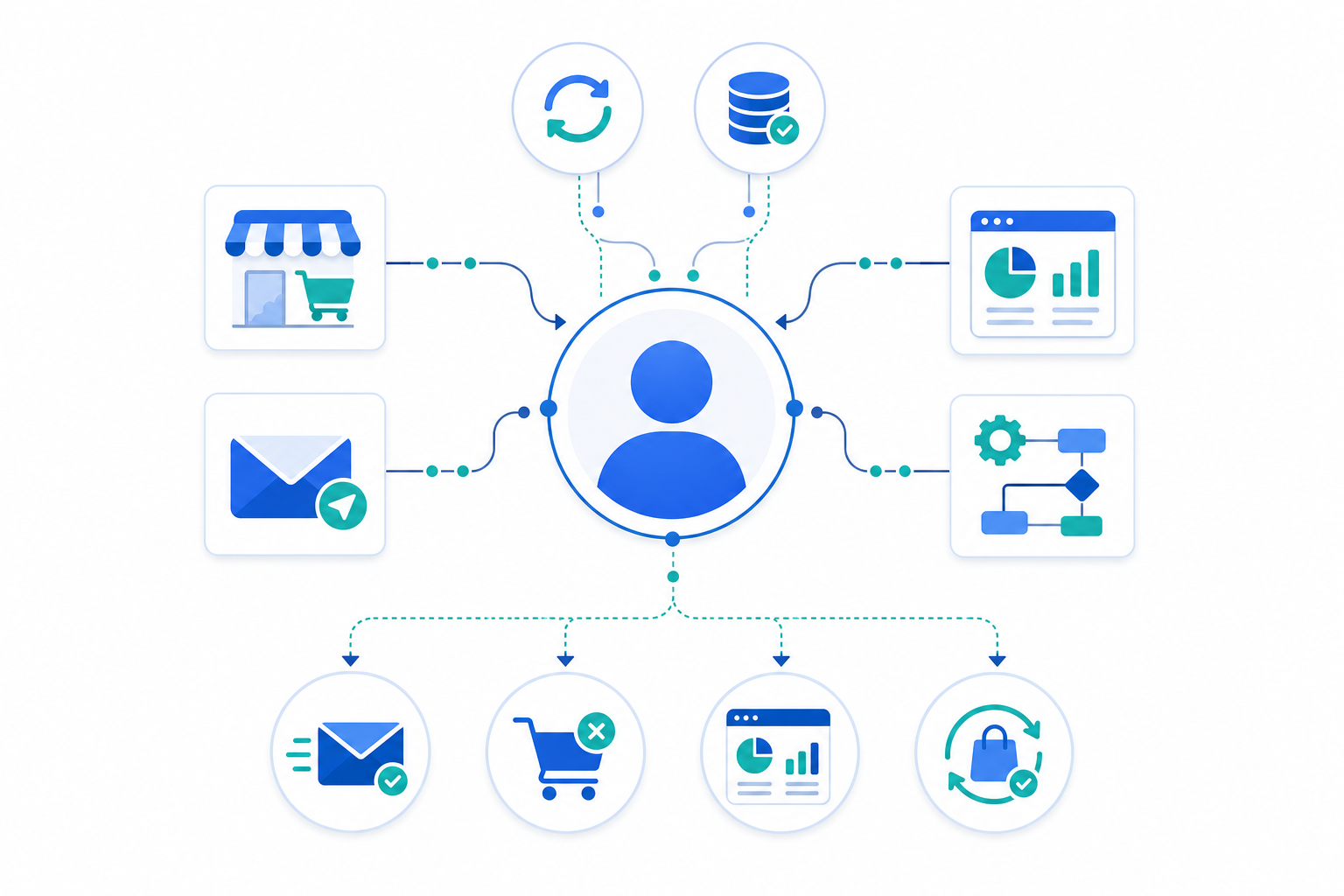
Background: A leading pet care brand specializing in eco-friendly products, had a growing customer base and needed a way to better leverage their eCommerce data for marketing. With a vast amount of customer data siloed in multiple platforms, they struggled to create a cohesive view of their buyers and automate processes that could improve customer retention and sales. Their team sought a robust solution that would integrate seamlessly with HubSpot, unify data, and automate engagement without compromising their brand’s unique tone and voice.
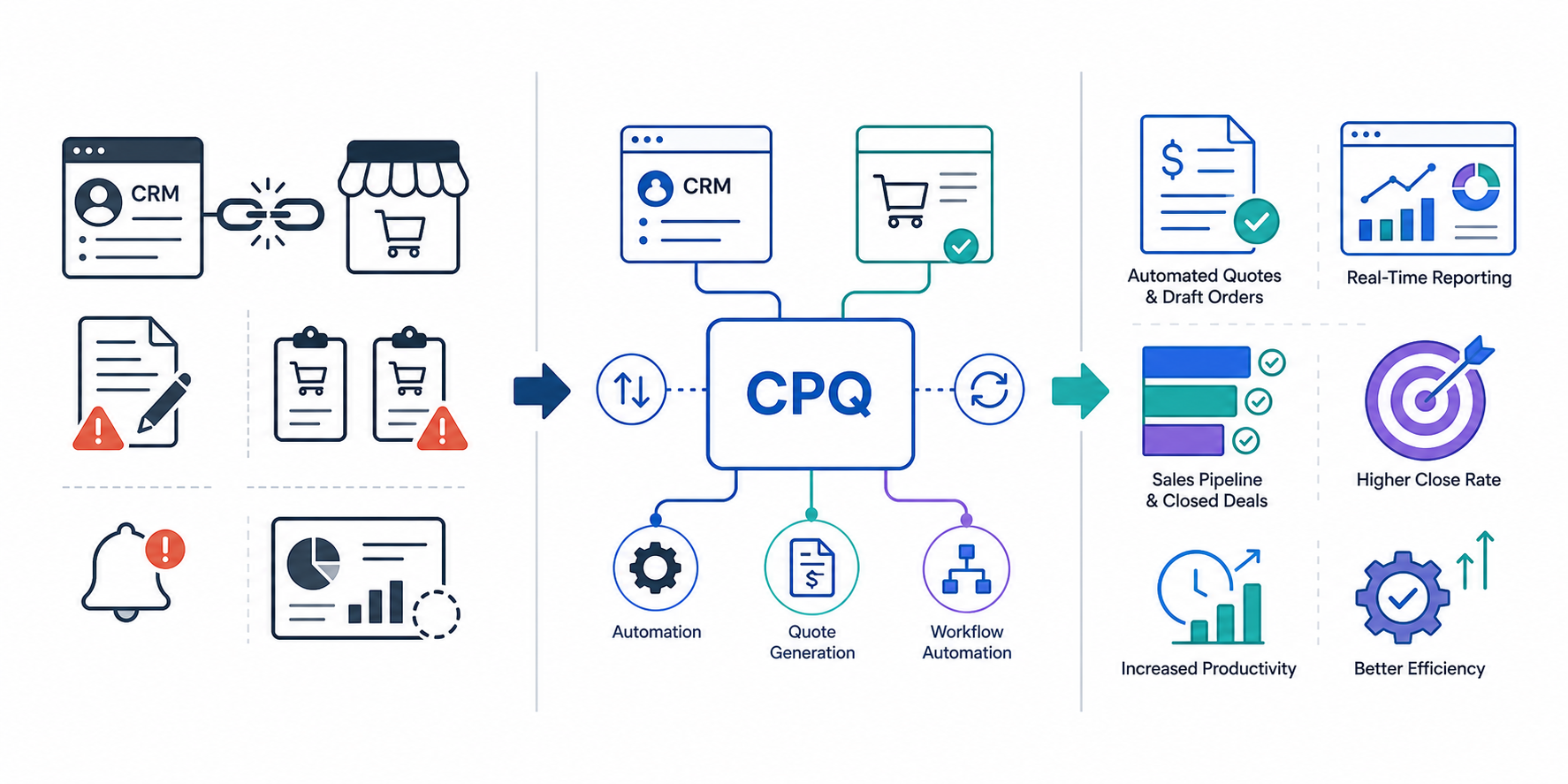
Background: Unific is a leading technology solutions provider specializing in customized software development for e-commerce. With a growing customer base and expanding product offerings, Unific recognized the need to streamline their sales processes to improve efficiency and boost sales performance.

If you’re using Klaviyo for marketing (email and SMS) and thinking about syncing those contacts into HubSpot, you’re on the right track. Klaviyo is fantastic at driving engagement and revenue with targeted campaigns. But when you connect it to HubSpot? That’s when you unlock the full customer journey — from first click to closed deal, and even beyond.

While the forced migration caused by Shopify’s HubSpot integration update is creating disruption for many businesses, it’s also an opportunity to reassess your tech stack and explore better alternatives. If you’re looking to future-proof your business and optimize your integration, now is the perfect time to upgrade. Check out a comparison of Unific vs the Native Shopify Sync and how we can help during this process.
If your business relies on the Shopify-HubSpot integration, an important update is coming. By May, all users will need to reinstall the integration, and with this change, Shopify orders will no longer sync to HubSpot Deals. Instead, they will sync to a new Order object—which functions differently than Deals.

Black Friday and Cyber Monday (BFCM) are often thought of as consumer-centric events, but B2B eCommerce companies have a massive opportunity to capitalize on this peak shopping season. With buyers in every sector gearing up to make end-of-year purchases, automating email marketing for B2B can keep potential buyers engaged, drive sales, and enhance loyalty. Here’s how to effectively leverage automation to make this BFCM season one of your best yet.
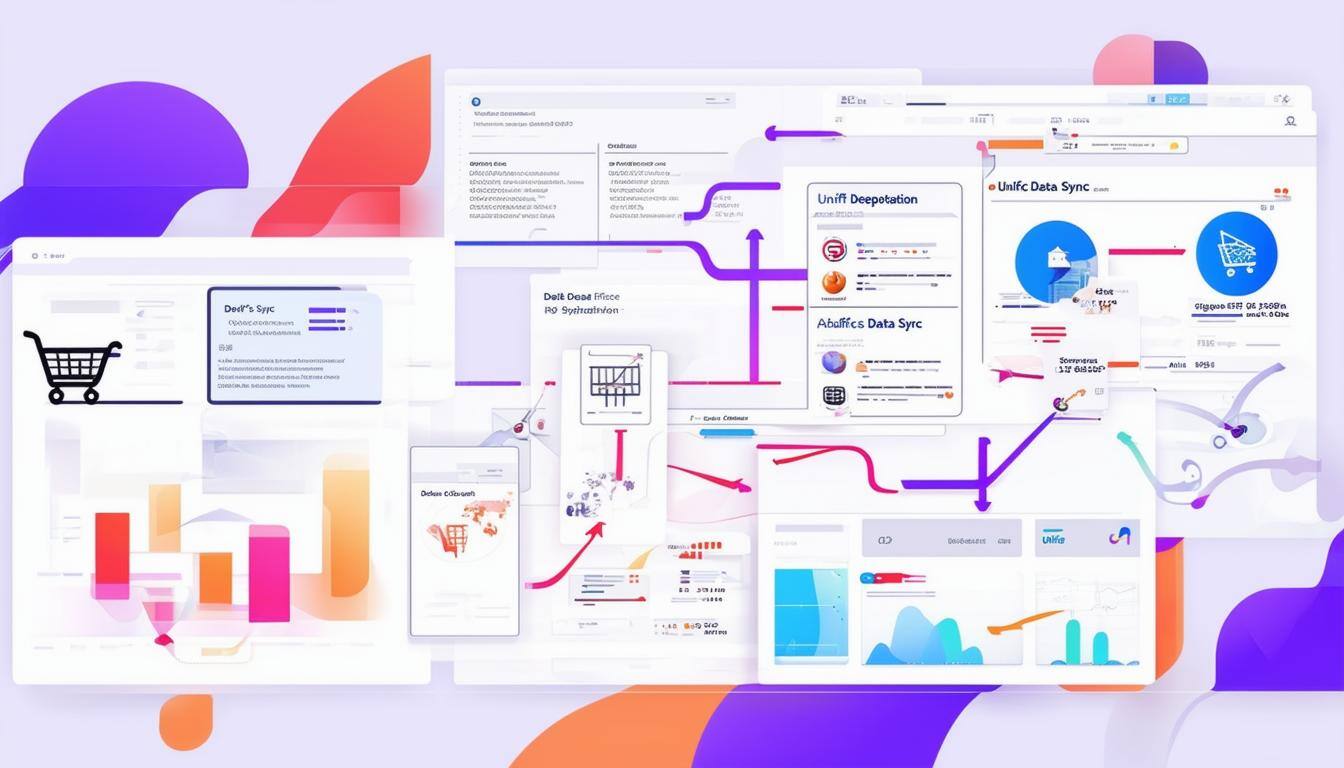
In the fast-paced world of e-commerce, efficiency isn’t just a competitive advantage—it’s a necessity. As businesses juggle customer expectations, order management, and marketing campaigns, the importance of accurate, real-time data cannot be overstated. Enter Deep Data Sync: the powerhouse integration that bridges the gap between Shopify and HubSpot, ensuring your data flows seamlessly across platforms. But how can you make the most of this tool? Let’s dive into the best practices for leveraging Deep Data Sync to supercharge your e-commerce operations.
HubSpot’s CRM is designed to handle various aspects of your sales process, but not all objects are created equal. Among the many object types available, two that often cause confusion are Orders and Deals. While both are crucial for managing sales data, they serve distinct purposes. Understanding these differences can help you use them effectively, both together and separately, to optimize your business processes, especially in the e-commerce world.

In the competitive world of B2B eCommerce, time is money—especially for your sales team. Repetitive tasks, delayed follow-ups, and disjointed systems can drain productivity and leave valuable leads untapped. But with the power of HubSpot Workflows, you can automate routine processes, enabling your team to focus on what matters most: building relationships and closing deals.